

Solar Energy
A brief introduction to solar energy.
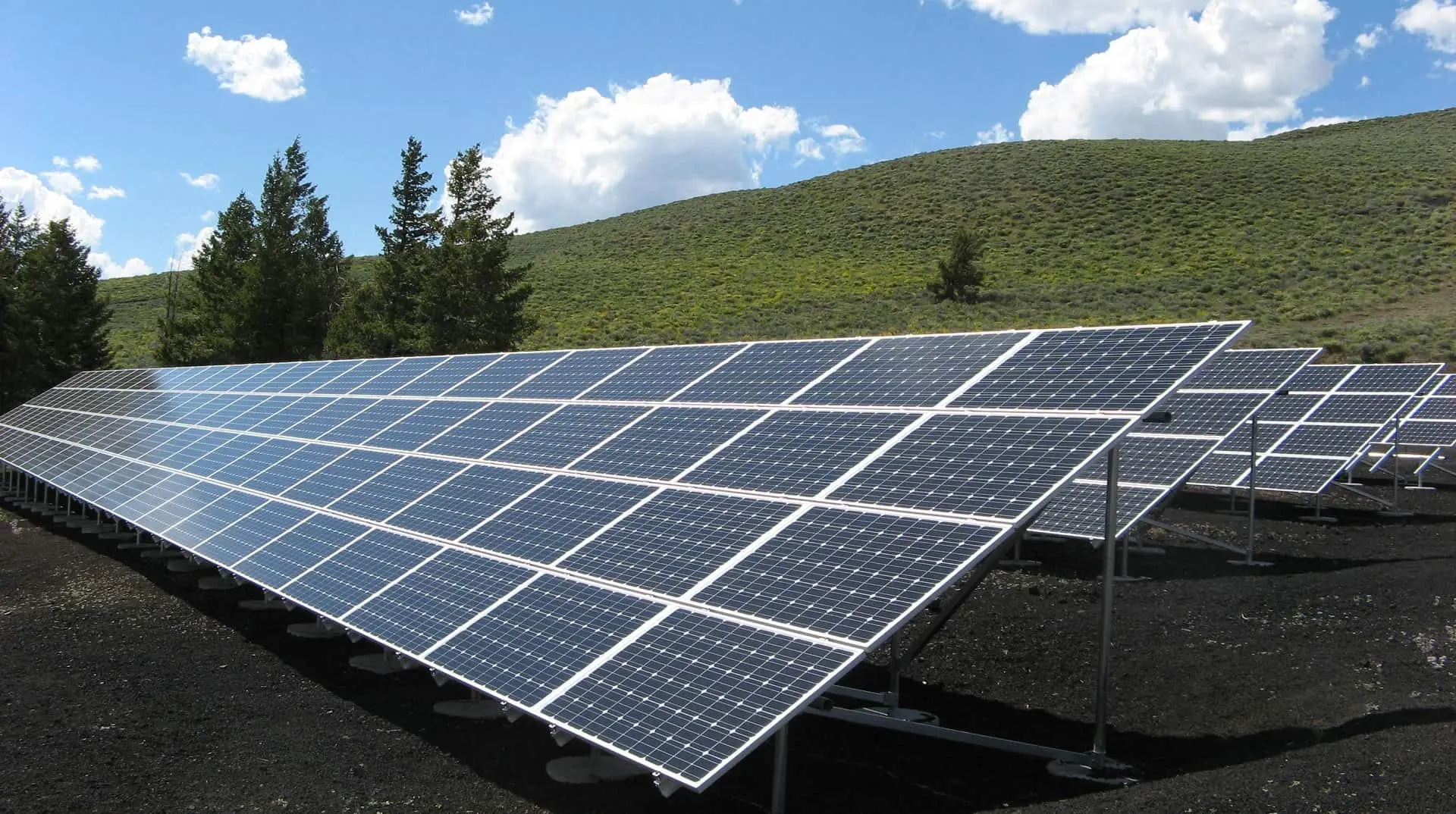
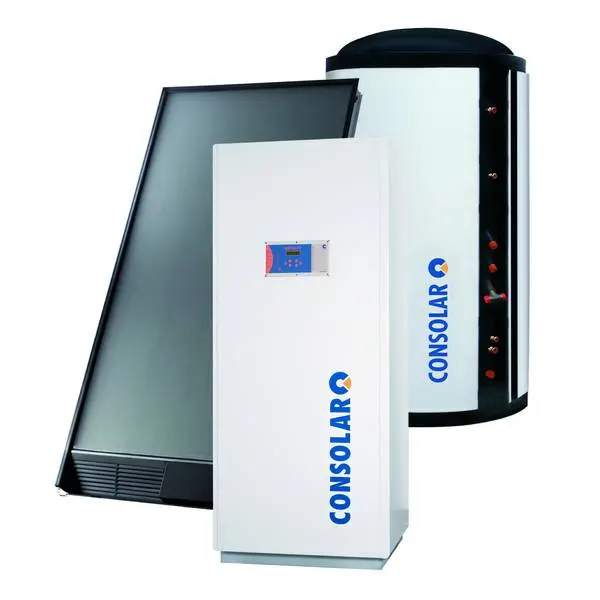
How a solar system works
Solar thermal collectors absorb the heat of the sun and use it to heat water for local use. Direct solar radiation and diffused light, on bright but cloudy days, can contribute useful heat. The collected heat can be used for hot water in the kitchen and bathroom as well as for heating support or industrial processes. There are two basic types of collector available; flat plate or the more efficient evacuated tube collectors. Both absorb the sun’s heat and it is transferred via a fluid which circulates between the collectors and a heat exchanger in the storage tank.
The stored heat can be used for hot water production or in so-called multi-purpose systems for hot water production and heating support. The solar thermal system, as well as the whole boiler and heating system, is being operated by efficient control units. In the course of the controlling of the whole system, an optimal energy management can be obtained for the house.
Components
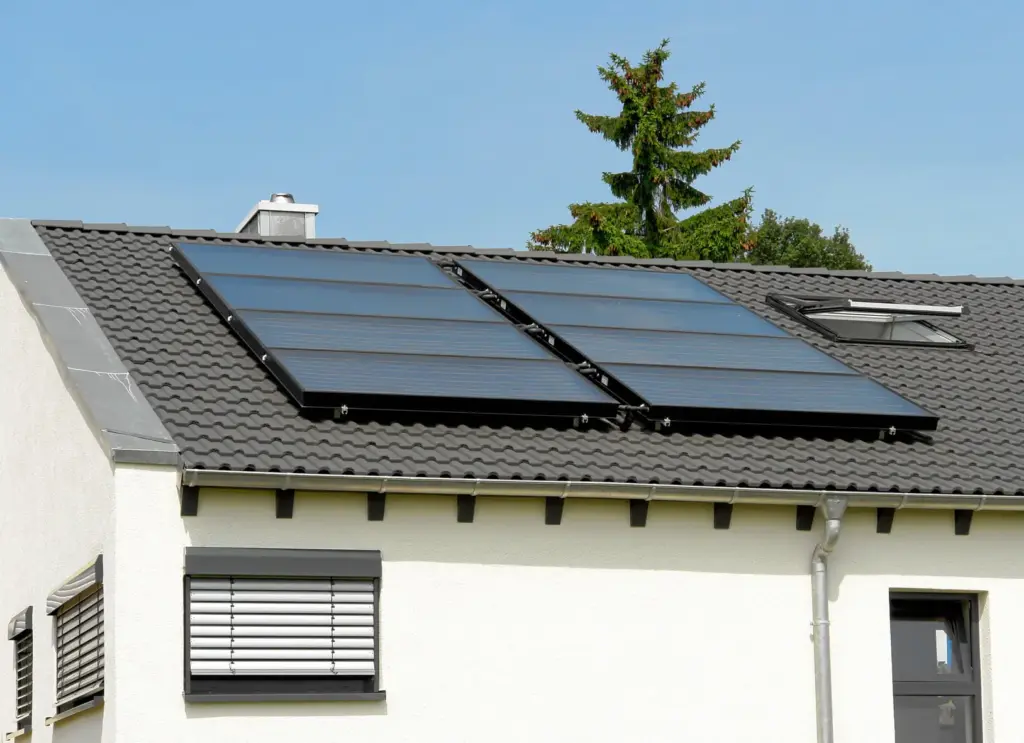
The first thing you notice of a solar system are the collectors on the roof. It is their job to convert the solar radiation into heat, not only on sunny days but all year round. We distinguish between two types of collectors, the flat plate collector and the evacuated tube collector.
Flat plate collector
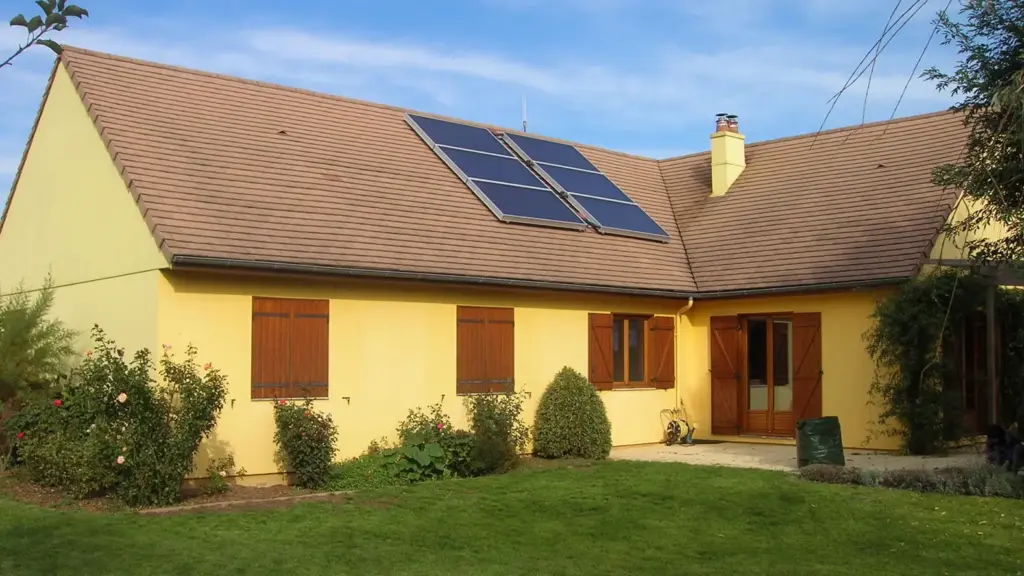
Flat plate collectors look like large roof windows. Behind the glass pane is what is known as a selective absorber. The highly selective lamination converts significantly more solar radiation to heat than would a simple lamination, resulting in higher energy savings especially in autumn, winter and spring.
Solar fluid flows through pipes that are directly linked to the absorber; in this way the heat is transported to the storage tanks. The back of the flat plate collectors must be well insulated in order to minimise heat loss to the outside.
Evacuated tube collector
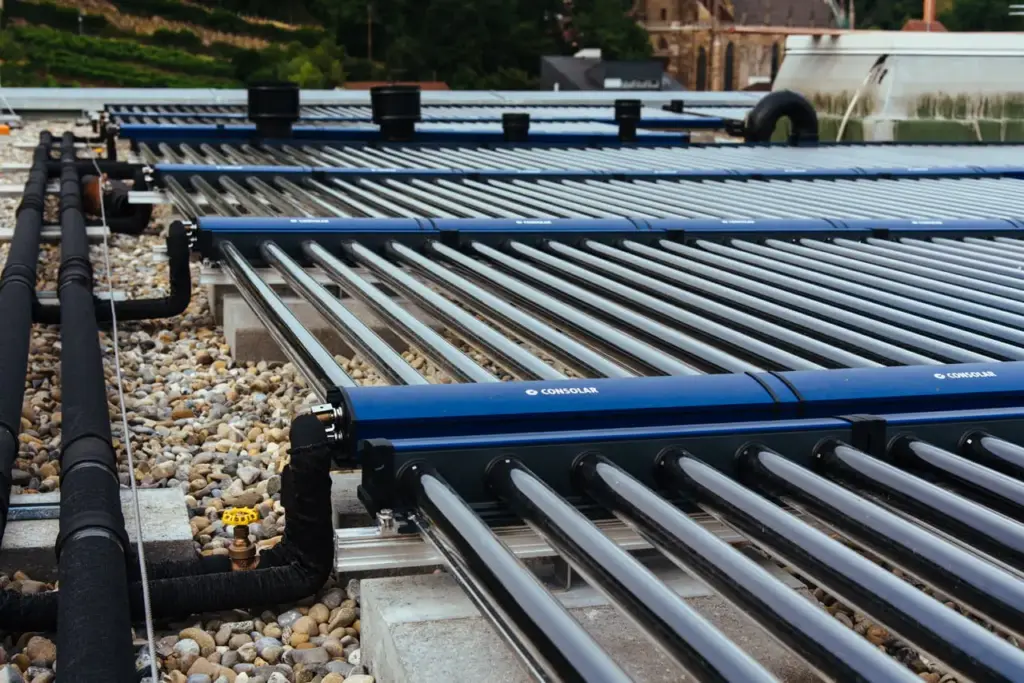
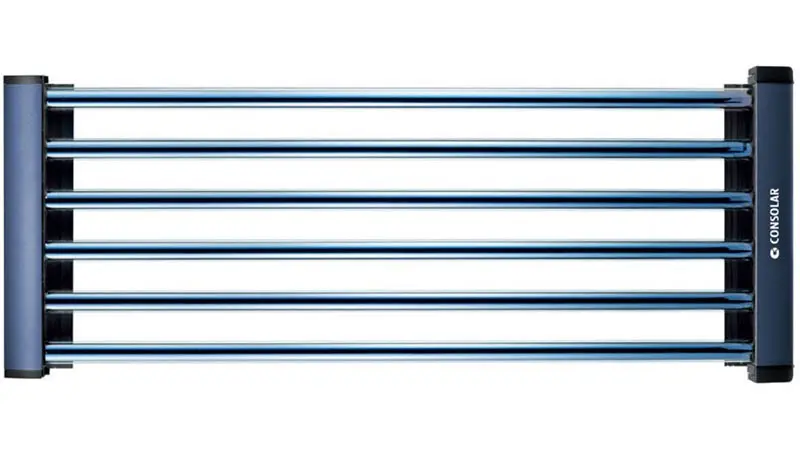
Evacuated tube collectors consist of glass tubes in which the solar radiation is converted into heat. Mirroring behind the tubes concentrates the sun’s rays.
The vacuum in the tubes allows almost no heat to escape, so they deliver more heat in spring, autumn and winter than flat plate collectors.
Security downtime
It is important with both types of collectors that the components are protected from damage in the summer in order to make the antifreeze fluid available for a longer period of time.
This is only possible with the help of a conduiting of collectors.
Heat storage
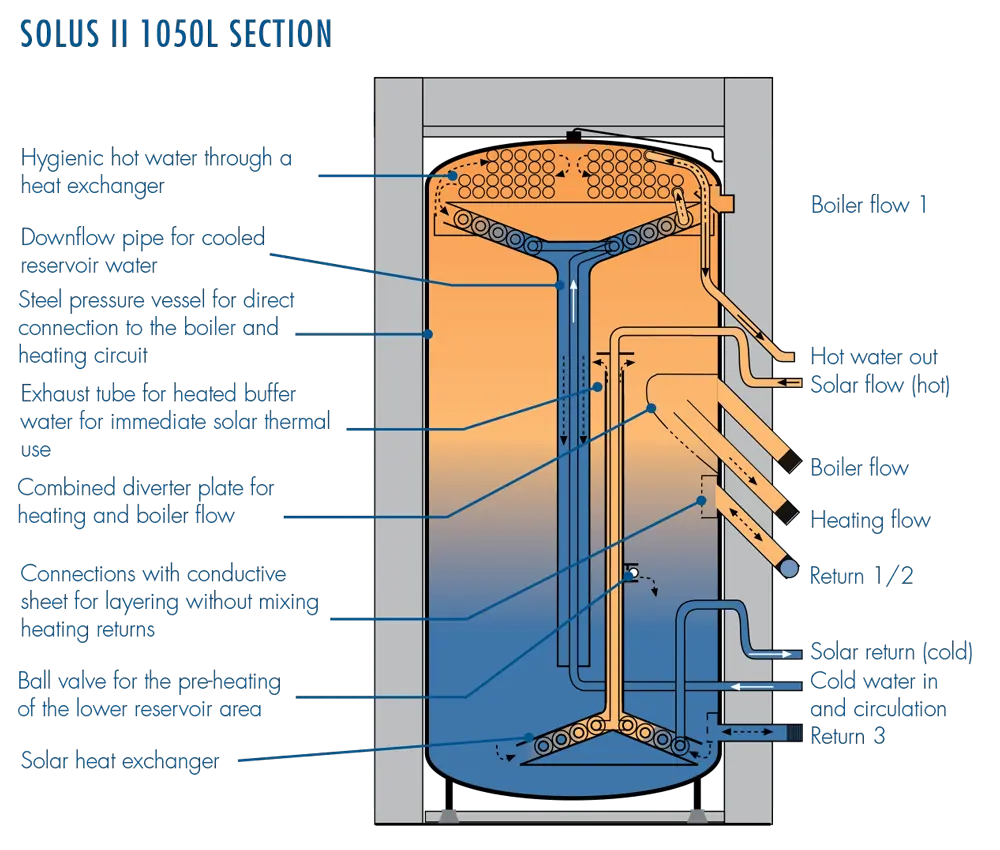
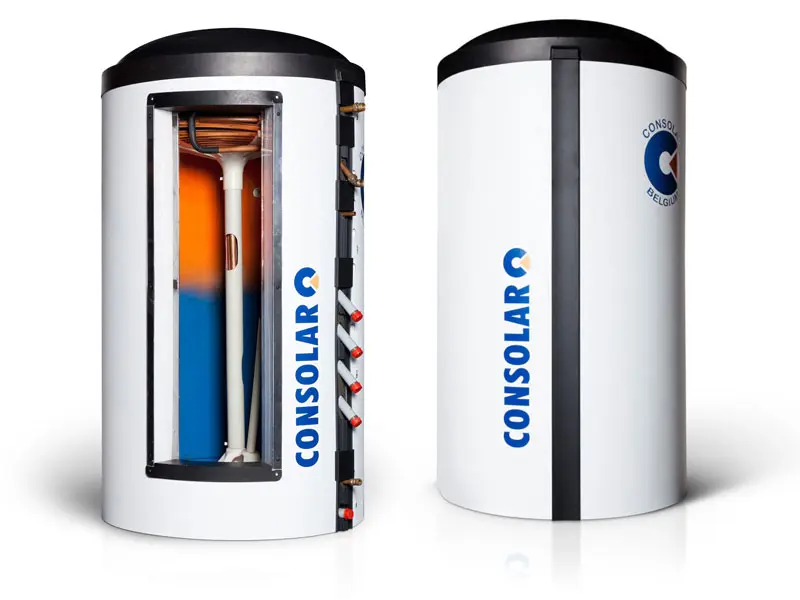
The central component of a solar thermal system is the heat store. Heat from the solar collectors is transferred, via pipework, to the water store. The main function of the store is efficient storage of solar heat for as long as possible, and then efficiently delivering the heat for heating the hot water and/or the space heating system.
Transfer of solar heat to the water in the store is usually achieved using a heat exchanger. The water in the solar circuit usually contains antifreeze which prevents the pipes from freezing up in winter.
An efficient solar heat exchanger enables a particularly high heat transfer to the store. This does not automatically mean high energy output: efficiency losses could be caused by the mixing of colder and warmer store water. These losses can be minimised using an efficient stratification system within the store.
Another important aspect concerning solar heat stores is water hygiene. Bacteria which cause legionnaires’ disease may become a serious danger to consumers’ health. This problem may occur when there are long downtimes and a large store. Therefore, safe hot water provision systems either have a very small hot water capacity or they heat the water as it flows through.
Retro-fitting solar thermal systems
Beside the existing and powerful main components, the interaction with existing heating systems plays a major role. For many customers the integration of the solar system into their existing heating system is crucial.